91.5 FM

91.5 HD2
 8.85 c
91.5 FM
91.5 HD2
Eby says NDP not looking to force early election as opposition turmoil dominates B.C. politics
BY Connect Newsroom - Ramandeep Kaur with files from The Canadian Press, Dec 22, 2025 1:19 PM - REPORT AN ERROR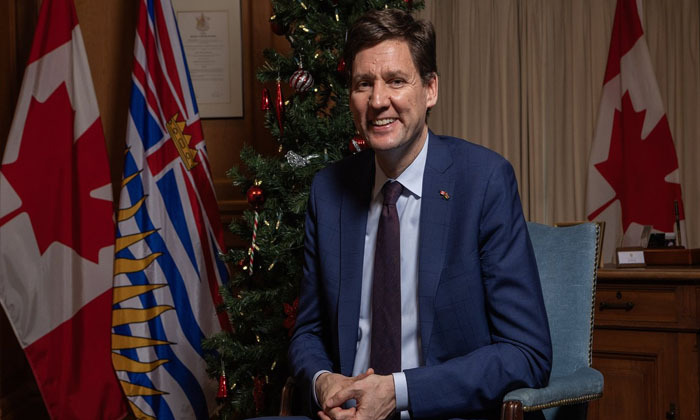
Premier David Eby speaks to reporters at the British Columbia Legislature in Victoria. (Photo: The Canadian Press)
Premier David Eby says his New Democratic Party government is not seeking a snap election in 2026, despite a turbulent year at the legislature and ongoing instability within the Opposition B.C. Conservatives. In a year-end interview, Eby said British Columbians want stability as the province navigates economic pressure, labour unrest and sensitive court rulings involving Indigenous rights.
The premier’s comments come after a politically difficult year for the minority-turned-narrow-majority NDP, which won the October 2024 election by a single seat. The government faced backlash over resource development legislation, a prolonged public service strike, and strained relations with First Nations, unions and environmental groups. At the same time, turmoil inside the Conservative caucus drew attention away from government controversies, culminating in the resignation of Conservative leader John Rustad and the appointment of Trevor Halford as interim leader.
Eby acknowledged the opposition’s internal conflict has had political consequences but said it does not change the government’s approach. He said an election would only be triggered if the Opposition blocked key legislation, pointing to the recent confidence vote on the North Coast Transmission Line, which passed by one vote with support from Speaker Raj Chouhan. Eby said the NDP is prepared for an election if necessary but emphasized that voters are not asking for one.
Several high-profile issues tested the cohesion of the NDP’s traditional coalition over the past year. Two bills aimed at accelerating major resource projects sparked strong opposition from First Nations and environmental advocates, while court rulings on mineral claims and Aboriginal title heightened concerns about consultation and private property rights. Eby said the government continues to amend legislation to reflect court decisions while maintaining provincial authority and protections for property owners.
Labour relations also strained ties with unions, including criticism over BC Ferries’ decision to order vessels from a Chinese-owned shipyard and the eight-week strike by provincial public servants, the largest in B.C. history. Environmental advocates, including some within the NDP, have raised concerns about renewed emphasis on northern resource development.
The province’s financial outlook has further complicated the political landscape. When Eby became premier in 2022, B.C. was forecasting a multi-billion-dollar surplus. That outlook has since shifted to a projected $11.2-billion deficit, driven in part by lower resource revenues. Eby said his government has reduced the size of the public service but will not cut essential investments in schools and hospitals, arguing that economic pressures are being felt widely by residents.
Despite internal debate, Eby said party members reaffirmed their support during the NDP’s recent leadership review, where nearly 83 per cent of delegates backed his leadership. He said the result reflects recognition of the challenges facing the province and a shared commitment to governing through a complex period.

Share on
Related News
Sign up for the newsletter
We'll deliver best of entertainment right into your inboxWe love to hear from our listeners, so feel free to send us message

Message us on whatsapp